
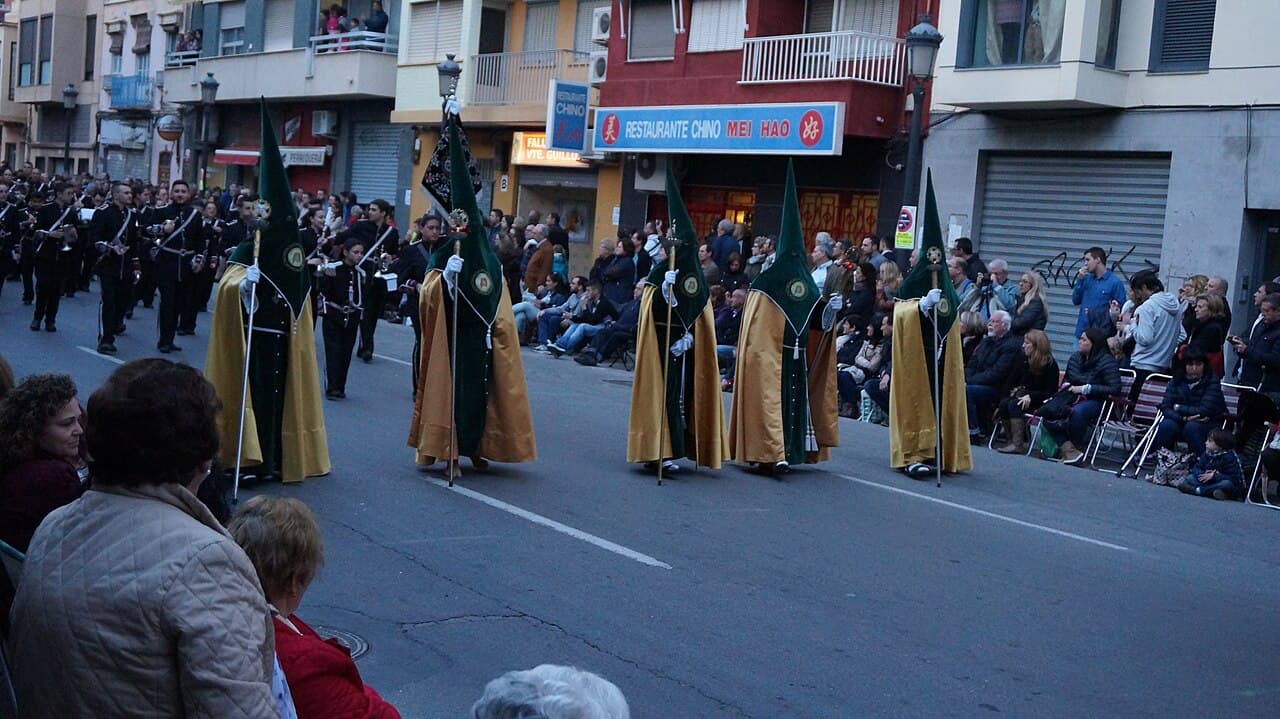
Semana Santa Marinera
Valencia's maritime Holy Week, shaped by neighbourhood processions and seafaring traditions
Last updated: 2026-07-20
Photo: Jorge Sanz · CC BY-SA 2.0 · cropped for display
Semana Santa Marinera is Valencia's distinctive maritime Holy Week. Rather than centring on one square, its processions move through the Poblats Marítims, where religious brotherhoods and neighbourhood communities maintain traditions connected to the sea. The festival was declared of National Tourist Interest in 2011.
The most useful way to plan is to choose one of the three collective events and then confirm its current route. Holy Thursday focuses on visits to the Holy Monuments, Good Friday brings the solemn Holy Burial Procession, and Easter Sunday changes the atmosphere with the Resurrection Parade.
This remains a living religious observance, not a staged attraction. Visitors are welcome, but should leave space for participants, avoid blocking doorways and treat private homes displaying religious images with respect.
The street processions are free. Choose the event and neighbourhood section you want to see, then check the official programme and transport restrictions shortly before travelling.
Things to See & Do
Good Friday Holy Burial
The principal solemn collective procession brings the maritime brotherhoods together along a published route.
💡 Choose a viewing point before the procession begins rather than trying to follow the full route.
Resurrection Parade
Easter Sunday has a brighter, celebratory character and is often the most approachable collective event for families.
💡 Confirm the current start time and route because Holy Week dates change annually.
Maritime neighbourhood traditions
Processions pass through working residential streets, with images hosted in homes and local communities participating directly.
Festival museum
The Museo de la Semana Santa Marinera Salvador Caurín provides year-round context at Calle Rosario 1.
💡 Check the museum's current opening information separately from the festival programme.
Getting There
The processions take place across the maritime districts, so the best stop depends on the current route rather than a single festival entrance.
Metrovalencia tram services connect the city with Cabanyal and the seafront. Check event-day service changes.
💡 Select a stop near your chosen route section, not simply the beach.
EMT routes serve the maritime neighbourhoods but diversions are likely around processions.
💡 Use live journey planning on the day.
Cycling is practical before road closures intensify, but do not take bicycles into dense viewing areas.
Walking between Cabanyal, Canyamelar and Grau is possible, although barriers can lengthen routes.
Best Time to Visit
Choose the event that matches your group rather than treating every procession as interchangeable.
spring
The festival takes place around Easter. Daytime conditions are often mild, but evening temperatures and rain vary.
summer
The festival does not take place in summer; visit the museum for year-round context.
autumn
The festival does not take place in autumn; visit the museum for year-round context.
winter
Preparations may be visible locally, but the public festival follows Holy Week in spring.
Accessibility
The festival publishes inclusive information and designated reduced-mobility viewing guidance for principal events, but historic streets, crowds and route changes still require preparation.
♿ Review the official inclusive QR information and current designated viewing areas. Confirm the exact location and access route before travelling.
👶 A compact stroller is easier than a large travel system. Avoid the densest sections and keep clear of procession routes.
🚇 Accessible tram and bus services reach the area, although event diversions and crowding can affect the final approach.





What to Bring
✅ Bring
- Comfortable walking shoes
- Water
- A light evening layer
- Current route saved offline
- Respectful clothing and behaviour
❌ Don't Bring
- Large luggage
- Bicycles into packed viewing areas
- Equipment that blocks pavements
🏷️ Rent Instead
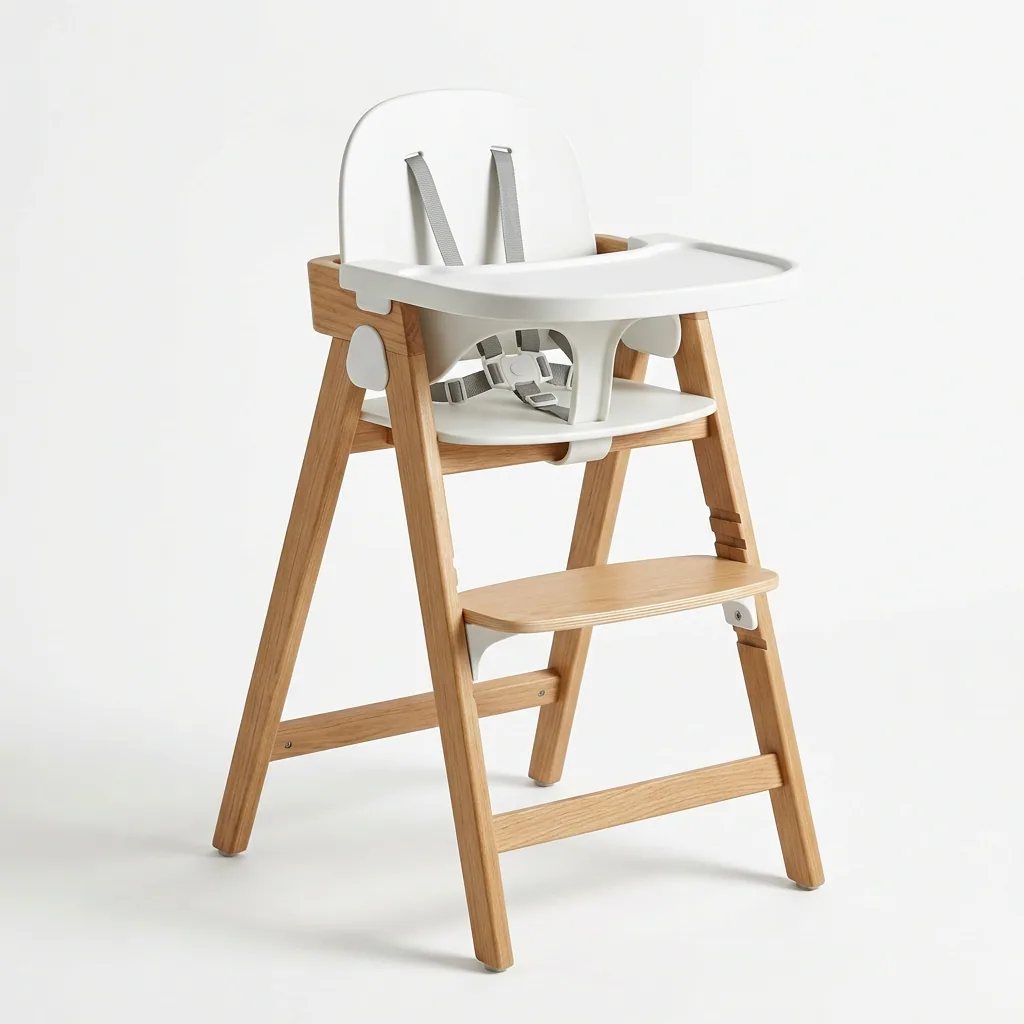
- A compact stroller for younger children
- A suitable mobility aid for longer walking routes
Visiting Semana Santa Marinera
A successful visit combines one procession with time in the maritime neighbourhoods, without trying to cross every route or attend every event.
- •Choose your viewing section before leaving your accommodation.
- •Keep a quieter fallback plan near the seafront if crowds become uncomfortable.
- •Allow extra time to reach restaurants or transport after the procession passes.
Practical Tips
- 1Download the current official programme; routes and timings are annual, not evergreen.
- 2Pick one collective event and one viewing area instead of attempting to follow every procession.
- 3Arrive before road closures make the final approach slower.
- 4Keep voices low during solemn processions and ask before photographing people at close range.
Frequently Asked Questions
When is Semana Santa Marinera in 2026?
The official 2026 programme runs from 27 March to 5 April. Individual procession times and routes should be checked on the Valencia City Council event page.
Do I need tickets for Semana Santa Marinera?
No ticket is required to watch the public street processions. Some separate venues or activities may have their own access conditions.
Which procession should families choose?
The Easter Sunday Resurrection Parade has a more celebratory atmosphere. Whatever you choose, use a less congested route section, bring water and agree a meeting point.
Is Semana Santa Marinera accessible?
Valencia publishes inclusive information and designated reduced-mobility viewing guidance for major events. Check the current locations and access instructions before travelling.
Guide information reviewed on 20 July 2026.
Information sources
- Semana Santa Marinera 2026 — Valencia City Council
- Inclusive Semana Santa Marinera information — Valencia City Council
- Semana Santa Marinera festival overview — Valencia City Council